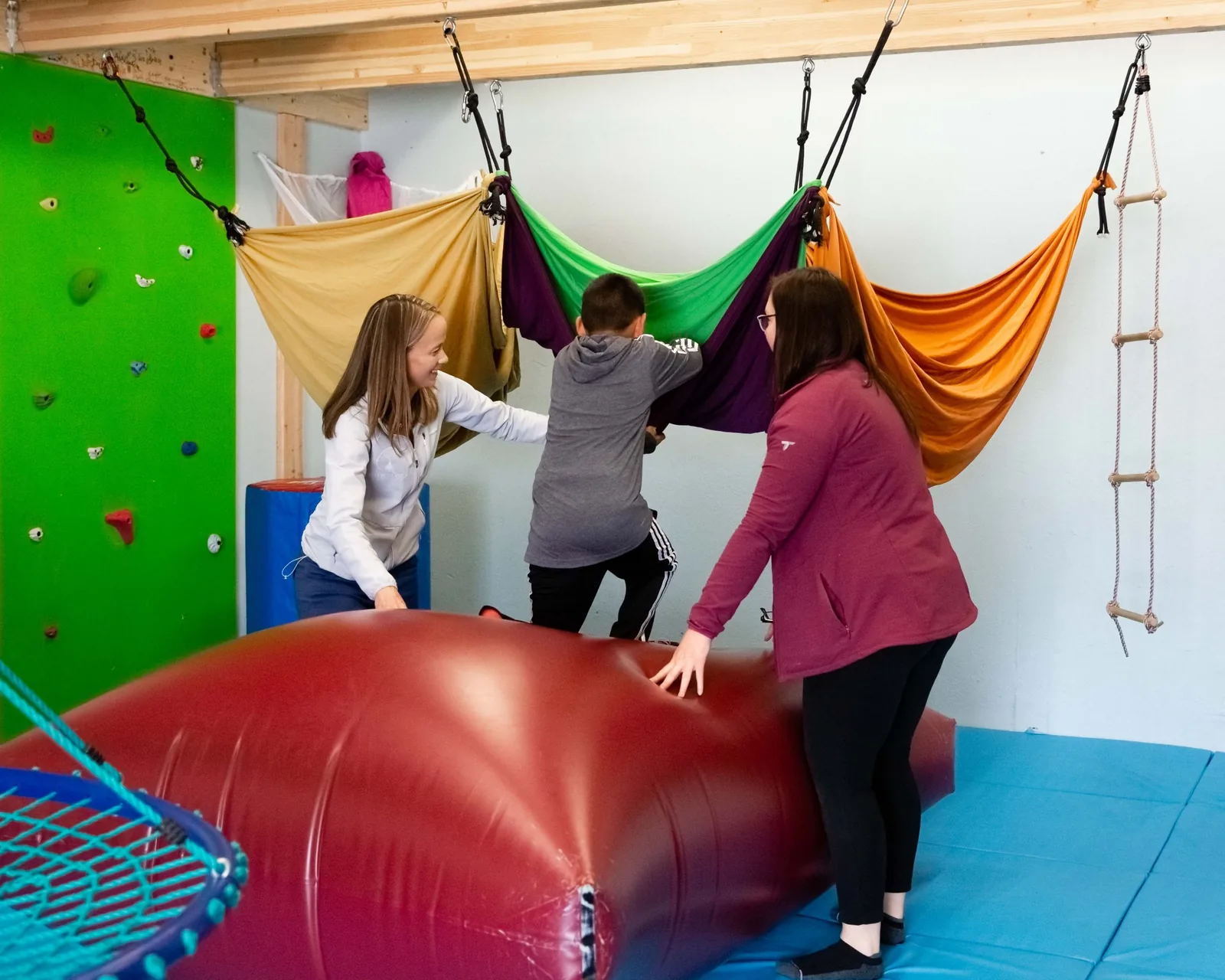
We look beyond the behavior to find the root cause — then build a plan that helps your child grow, regulate, and thrive.
When a child can't focus, acts out, won't eat certain foods, or struggles to write — it can look like defiance, laziness, or a behavioral problem. Most of the time, it's none of those things.
There's almost always an underlying neurological or developmental explanation: a retained primitive reflex, a trauma response, a sensory processing difference, or a developmental delay. At Wild Roots, we find it.
Our team has advanced training in sensory integration, trauma-informed care, and the Neurosequential Model of Therapeutics — giving us tools to understand your child at a level most clinics simply don't offer.
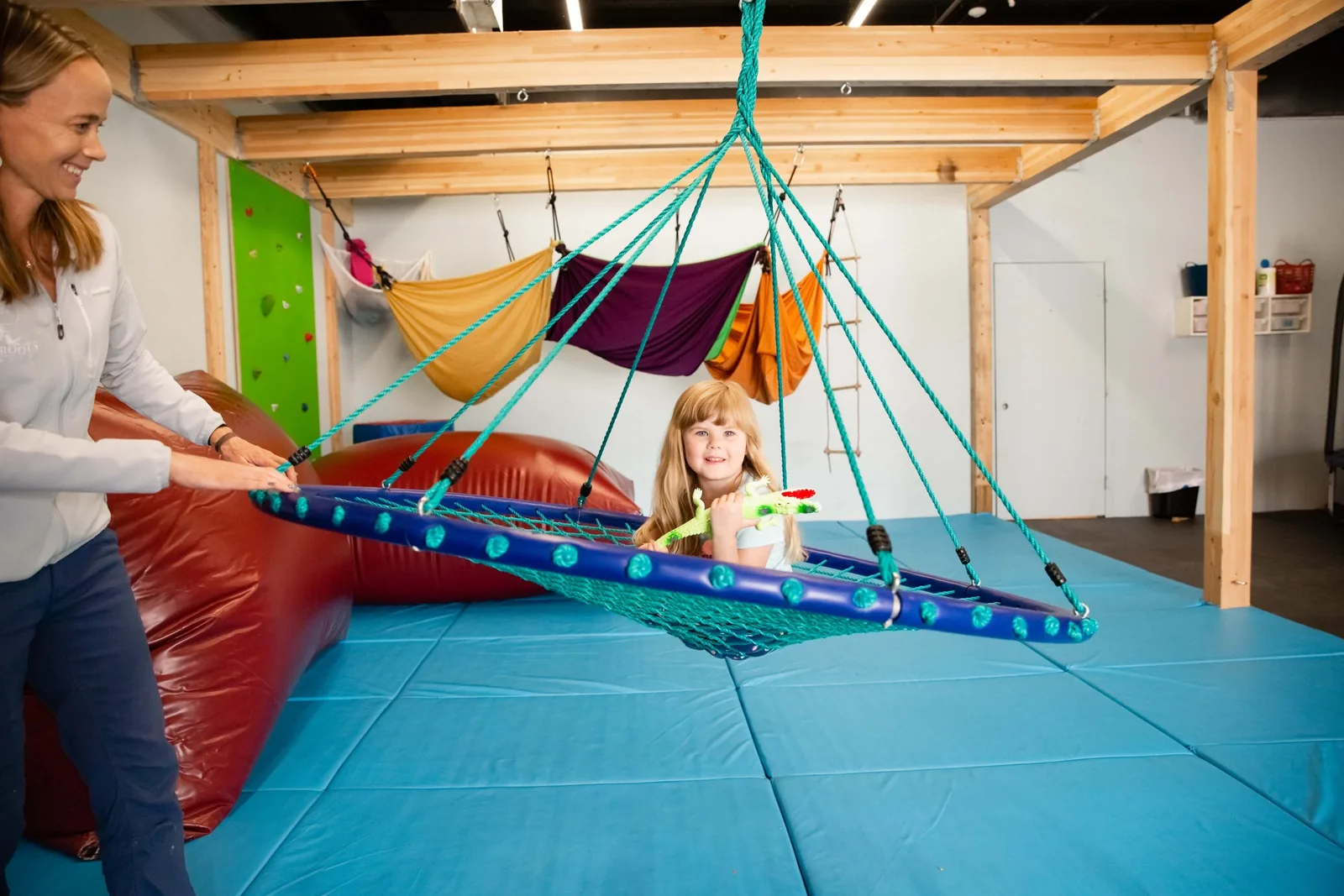
Occupational therapy focuses on helping children do the things they need to do every day — play, learn, self-care, and connect with others. Our OTs address the foundational skills that make all of those things possible.


Communication is so much more than words. Our speech therapists work with children across the full range of language and communication challenges — from early babbling through complex conversation.
We have additional training in Gestalt Language Processing, recognizing the way many autistic children acquire language in whole phrases before individual words — an approach that changes everything about how we support them.
Our physical therapists help children build the strength, balance, coordination, and mobility they need to fully participate in play, school, and life.
Trust your instincts. If something feels off with your child's development, it's always worth a conversation. Here are some signs that an evaluation could help.
Call or text us at (406) 969-1795 and we'll talk through your concerns. There's no pressure — just a conversation about what your child might need.
A thorough assessment of your child's strengths and challenges, plus a detailed interview about your family's concerns and goals.
We create a treatment plan tailored specifically to your child — not a one-size-fits-all approach.
One-on-one sessions with room for caregiver coaching, observations, and home practice strategies built in.
Regular check-ins, plan adjustments, and clear communication so you always know how your child is progressing.