Wild Roots' expertise doesn't stop at Billings' city limits. We bring trauma-informed occupational therapy assessment and consulting to families and organizations anywhere in the world.
You don't have to live near Billings to access Wild Roots' specialized trauma-informed evaluation. Our remote assessment process was built specifically for families — particularly foster and adoptive families — who need expert insight into their child's developmental needs but face barriers of distance.
We use the Neurosequential Model of Therapeutics (NMT) — a developmentally sensitive, neurobiology-informed approach — to create a detailed picture of your child's functional brain development and build an individualized recommendation plan.
A brief phone call to assess family fit, understand current interventions, and review your child's developmental history.
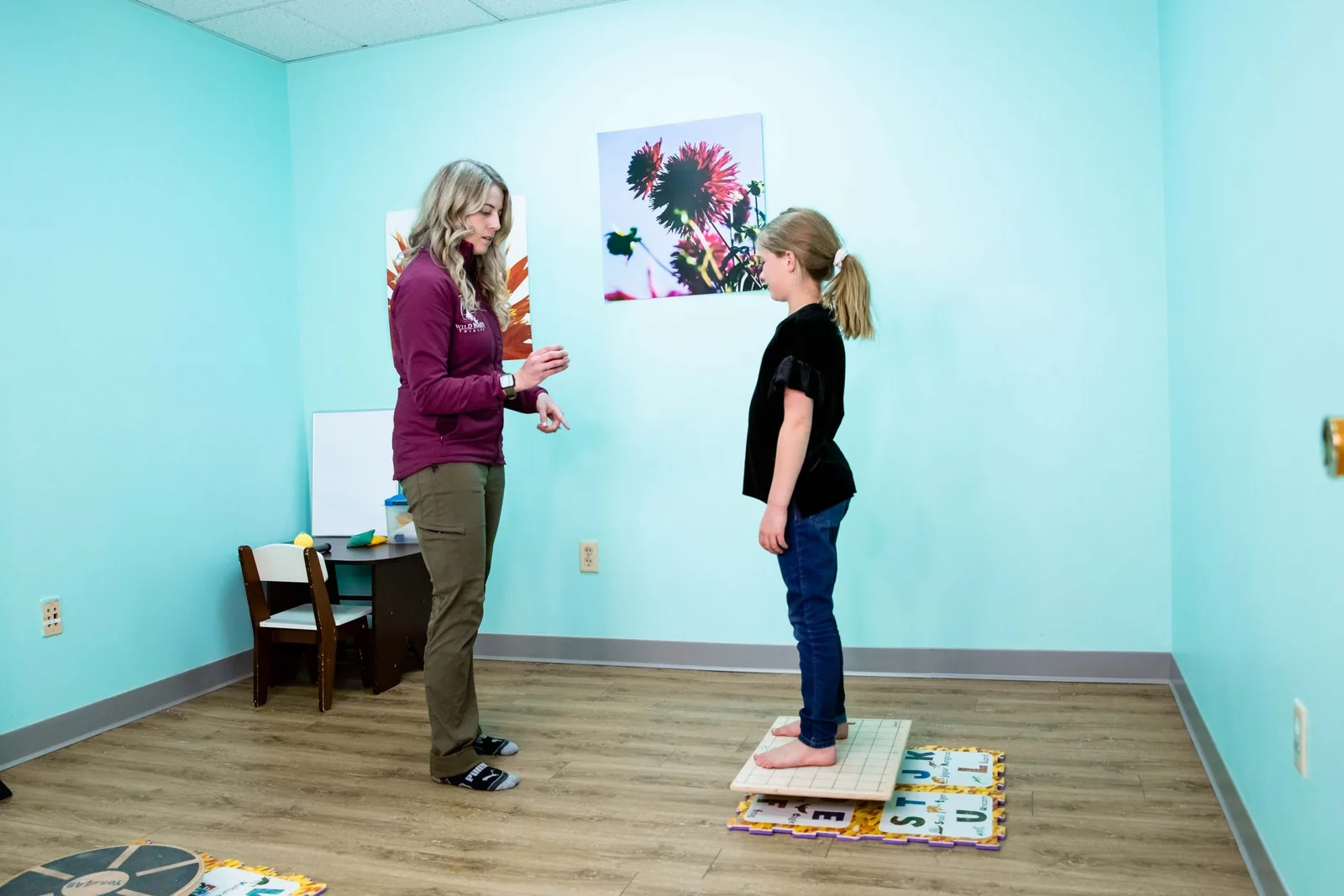
Remote or in-person. Includes hands-on child interaction or video observation, standardized checklists and assessments, and an extensive family interview.
We present your child's functional brain metric report and individualized recommendations — a clear, actionable roadmap for moving forward.
Flexible ongoing check-ins. We recommend weekly appointments for the first three months, then adjust based on your family's needs.
Our remote assessment program was designed with foster and adoptive families in mind — though we serve any family whose child's developmental challenges may be rooted in early-life stress.
Wild Roots offers trauma-informed occupational therapy consulting for organizations throughout Montana and beyond. Erica Schuppe provides customized presentations and program development support for:
All presentations are customizable to your organization's specific learning objectives and can be delivered in-person or remotely.
From half-day trainings to ongoing program development, we work with you to build trauma-sensitive, neuroscience-informed environments where all children can succeed.
Past presentations have covered sensory processing, trauma-informed care, understanding behaviors, supporting foster/adoptive children, and implementing the Neurosequential Model in institutional settings.